What Does Sleep AI Do? Tracking and Insights Explained
What does sleep AI do?
Sleep AI uses data and automated analysis to help you understand your sleep patterns. Depending on the product, it may track when you fall asleep and wake up, estimate time spent in different sleep stages, and offer personalized suggestions based on your habits. Our team looks at these tools as a way to spot trends over time, not as a substitute for medical care.
How does sleep AI collect information?
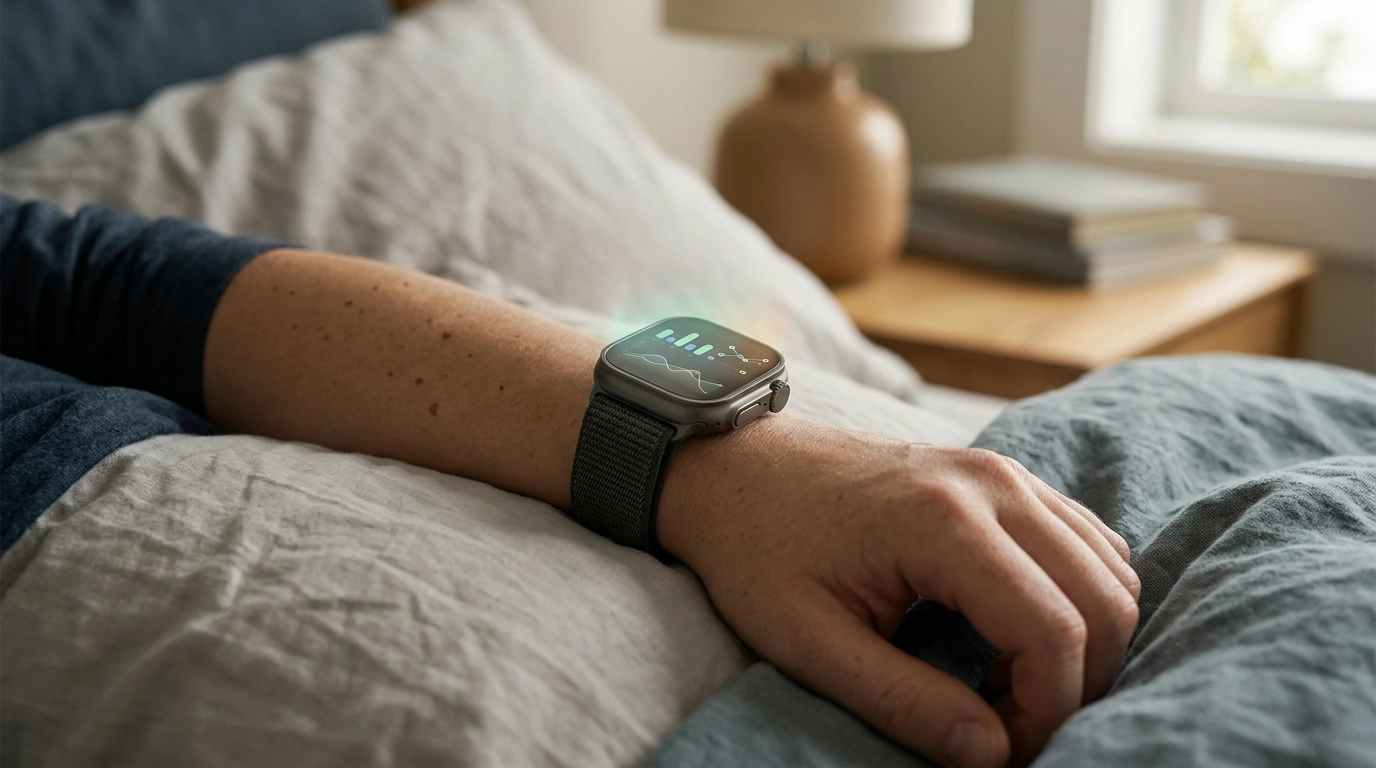
Sleep AI can work with a wearable, a bedside sensor, or an app. A wearable may use movement and heart rate data, while a bedside device may detect motion or breathing patterns without touching you. Some apps also let you record details such as your bedtime, caffeine intake, or how rested you feel.
The information available varies by device. A feature that requires a sensor, such as heart rate tracking, will not work just because an app uses AI. Look for a product that collects the measurements you want in a way you are comfortable using every night.
What can you learn from sleep AI?
Many sleep AI products turn nightly data into summaries, scores, or charts. They can help you compare your usual bedtime, sleep duration, and nighttime interruptions across several days or weeks. Some also identify possible connections between your routine and how you sleep.
Recommendations may include setting a more consistent bedtime or adjusting an evening habit. These suggestions are most useful when you treat them as prompts to notice patterns rather than precise instructions. Sleep-stage estimates and scores can differ between products and are not a diagnosis.
How should you choose a sleep AI product?
Start with the experience you prefer: a wrist-worn device, a contactless bedside sensor, or an app with manual entries. We also suggest comparing battery life, app compatibility, subscription costs, and whether you can review or export your history. If you share a bed, consider whether a bedside sensor can distinguish between users.
Sleep information is personal, so review how the product stores and shares your data and whether you can delete it. If you have persistent sleep problems, loud snoring, or concerns about breathing during sleep, talk with a healthcare professional rather than relying on an app alone.
FAQ
Can you use sleep AI without wearing a device?
Yes. Some systems use a bedside sensor, and some apps let you log your sleep manually. Their measurements and features differ from those of wearable trackers.







Leave a comment